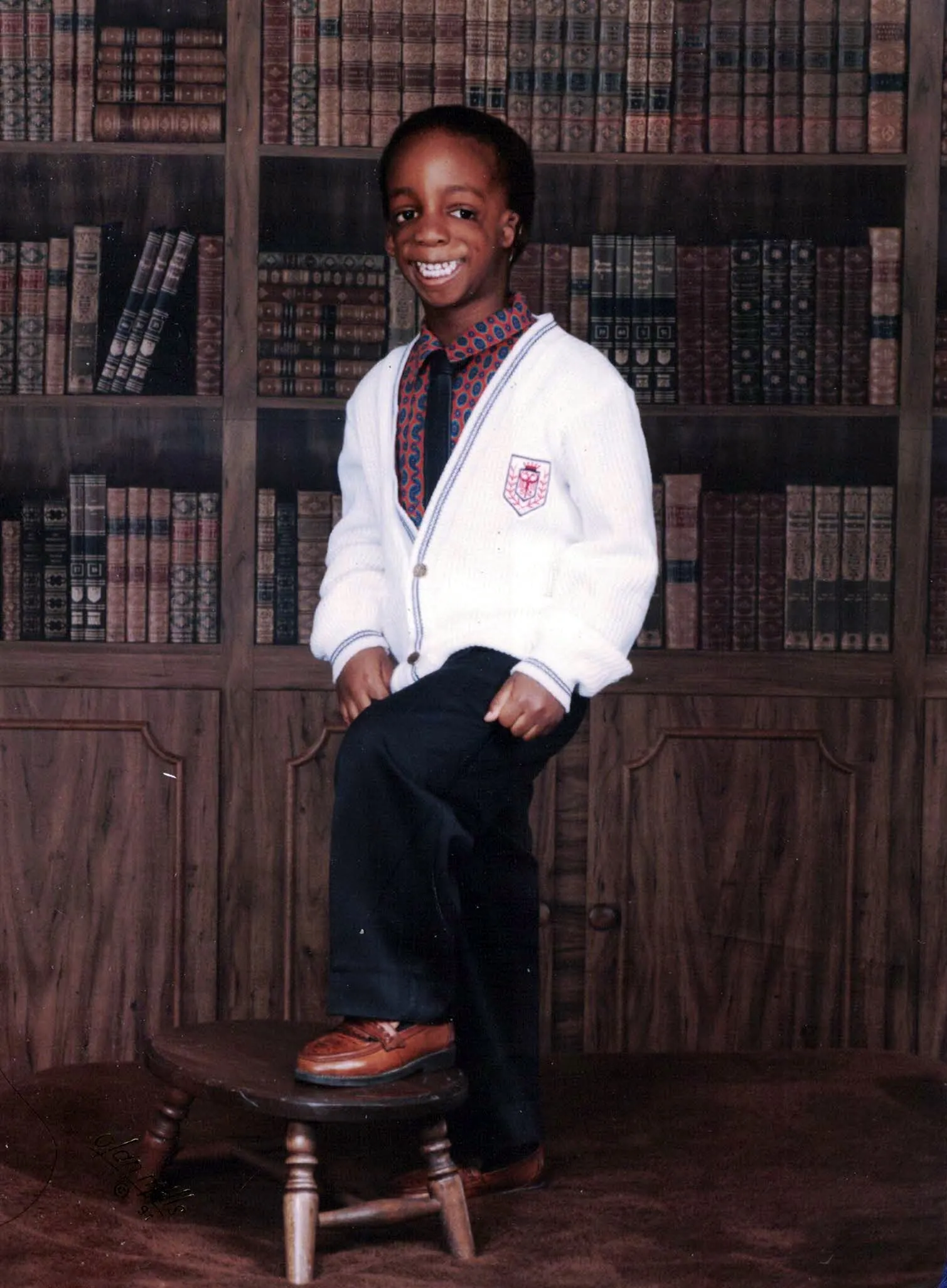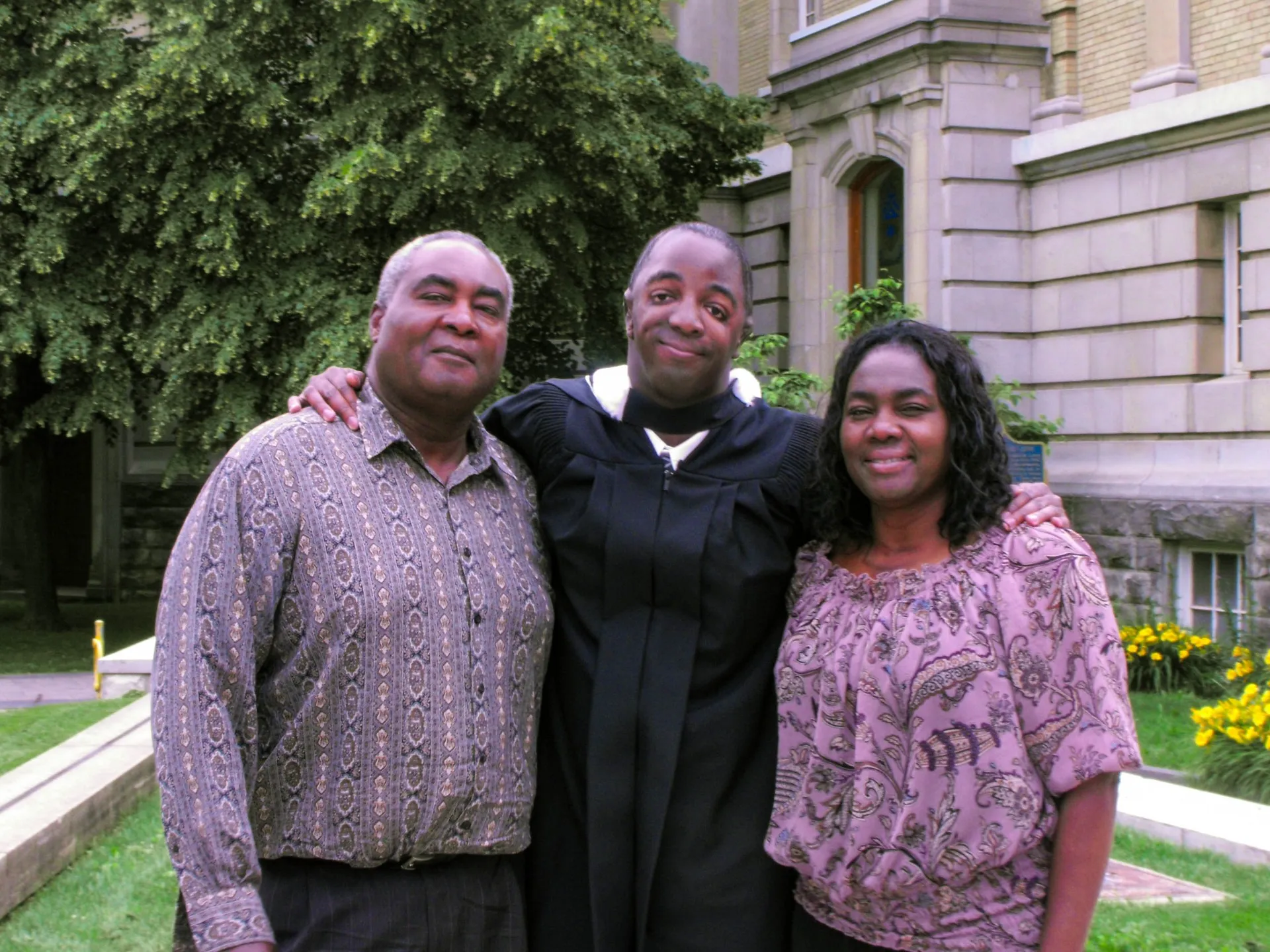
Hello from the great white north! My name is Kariym Joachim, and I’m a 37-year-old adult living with Treacher Collins Syndrome (TCS) in Toronto, Canada. Many of you may already know what TCS is, but very briefly, it is a congenital, genetic condition that impacts the structure of my face. Simply put, my facial bones and some of my soft tissues did not form fully, leaving me with underdeveloped cheekbones, a small bottom jaw, and microtia – my outer ears never fully developed. As a result, I am mostly deaf without my bone-anchored hearing aid (BAHA). One of the unique things about TCS is that it can be almost unnoticeable, such that people may not know they even have it, while in other cases, it can be far more severe. My TCS is relatively mild, though I’ve had more than 20-something operations… I honestly lost count after 24.
As an adult, these surgeries feel like long-ago memories that I think about from time to time. As with many others in the facial difference community, my healthcare experiences include both positive and negative ones. When I was a baby, my parents had some difficulty acquiring a diagnosis for me. At the time, they were told that I had ‘a little problem with the ears.’ Fortunately, a very wise paediatrician took one look at me, confidently gave me the diagnosis of TCS and immediately had me referred to SickKids Hospital where my journey began in earnest.
At a relatively young age, my parents and I got to meet a plastic surgeon to chart out my medical future. Much like the paediatrician from before, this gentleman took a single look at me – but he immediately decided that I was inoperable. What he said next still upsets my parents to this day – to ‘grow his hair long like [a particular pop singer] to cover his ears, put on a cap and go to a baseball game.’ His message to my parents was that there was no hope for me and I would never be able to speak. Despite such a negative prognosis, I am incredibly grateful to my parents for pushing onwards. Speaking up and advocating is something they were passionate about then, and it continues to be a passion for me today. These days, I admit that it is nearly impossible for me to stop talking at times!
That all said, the proverb that ‘it takes a village to raise a child’ is appropriate in my case. My parents - with the help of a great hearing resource teacher, countless educators and healthcare professionals - encouraged my development. In time, we met a new surgeon who I still have a long-standing, positive relationship. In sharp contrast to the previous surgeon, he approached my case with positivity. His approach was to be both a realist and an optimist. Yes, there would be setbacks, and yes, there would be cancelled surgeries due to difficult intubation, but we would always regroup and move forward. What is most important to me is that after speaking with my parents, he would always talk to me. He would get to my eye level to explain what was going on, using props like X-Rays or model skulls to describe what was going to happen and when. This, along with his spiky hair earned him the nickname “Dr. Cool.” All of the various craniofacial, ENT, ophthalmologic and orthodontic team members were always willing to answer my questions and feed my innate childhood curiosity, which only bolstered my interest in the sciences and continues to impact me to this day.
My story isn’t all about surgeries, though. When I was around 7 or 8 years old, I began to experience bullying and became aware that I looked different from the other kids at school. Through all that, my family continued to be a source of great strength for me. My mother gave up her career to raise me and my sister and continues to be a huge support for the both of us. Even today, my sister and I often find ourselves calling Mom to chat when we’ve had a rough time. She always reminds me about the long trips via public transit to SickKids where we would spend the entire day going from clinic to clinic. She always ends with “We’ve gone through so much and you’ve come this far. I know things are hard, but I know that you’re going to make it through this too.” My Dad too, continues to be a source of strength – often unbothered (except if you mess with his family), he has a tenacity and stubbornness that has rubbed off on my sister and myself. He always reminds us about the value of being independent and to avoid following trends just because everyone else is doing so – “Friends take you away, and they never bring you back” is one of his favourite sayings. I’m so happy that I could have their support as a child and well into adulthood.
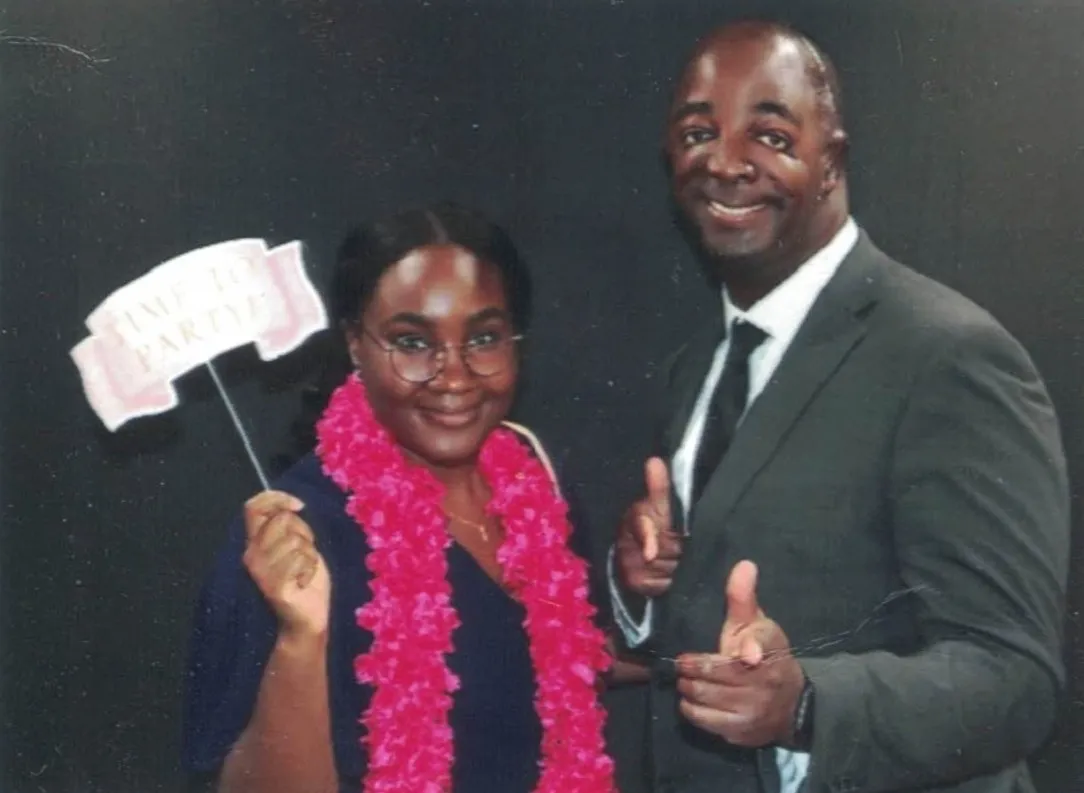
I think our collective experiences with the medical establishment have had a profound impact on both my sister and me. She is now an operating room nurse who loves interacting with patients, supporting ophthalmology procedures one day, orthopaedics the next, and so forth. Though she is very much an adult, I still greet her every time with the childhood nicknames I’ve been calling her since she was a baby (if I shared them here, I’d never hear the end of it!).
This is all a lot of words to say that my facial difference has had an enormous impact on my life. In Canada, the closest organization we have that can compare to CCA is AboutFace – an organization that has provided so much support through to my adult years. Ever since I was 12 years old, I have been a volunteer for the organization. I have had numerous public speaking opportunities to educate clinicians and the broader public about facial differences, volunteered as a camp counsellor at a camp for kids with facial differences, and served as president and chair of the board of directors. Having recently gotten to meet and interact with the folks from CCA, I am so happy to see the work they do, and the meaningful and outsized impact that they and other U.S.-based facial difference organizations have. No matter who we are, or where we are - our voices deserve to be heard – whether on the playground or within the halls of academia.
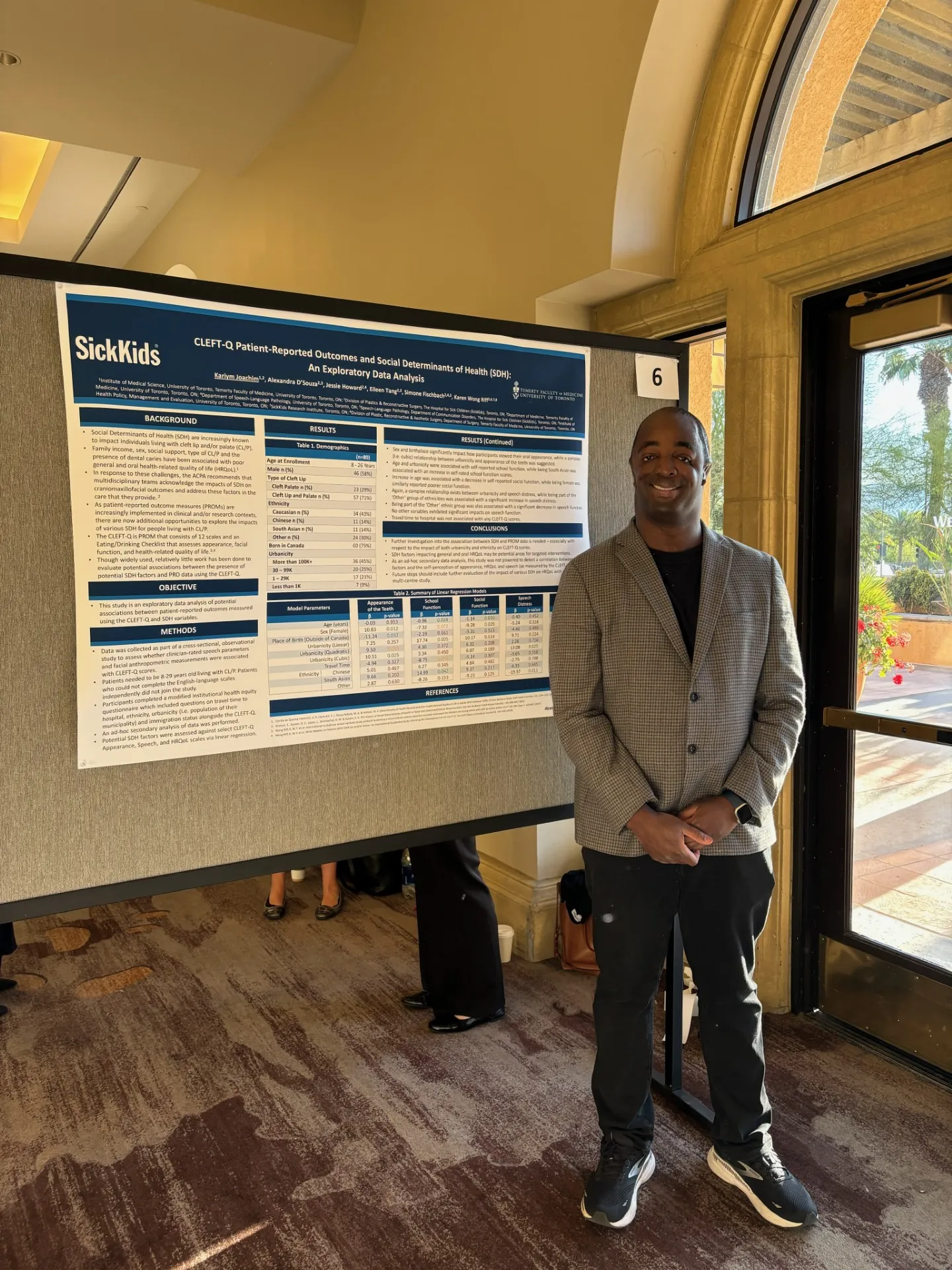
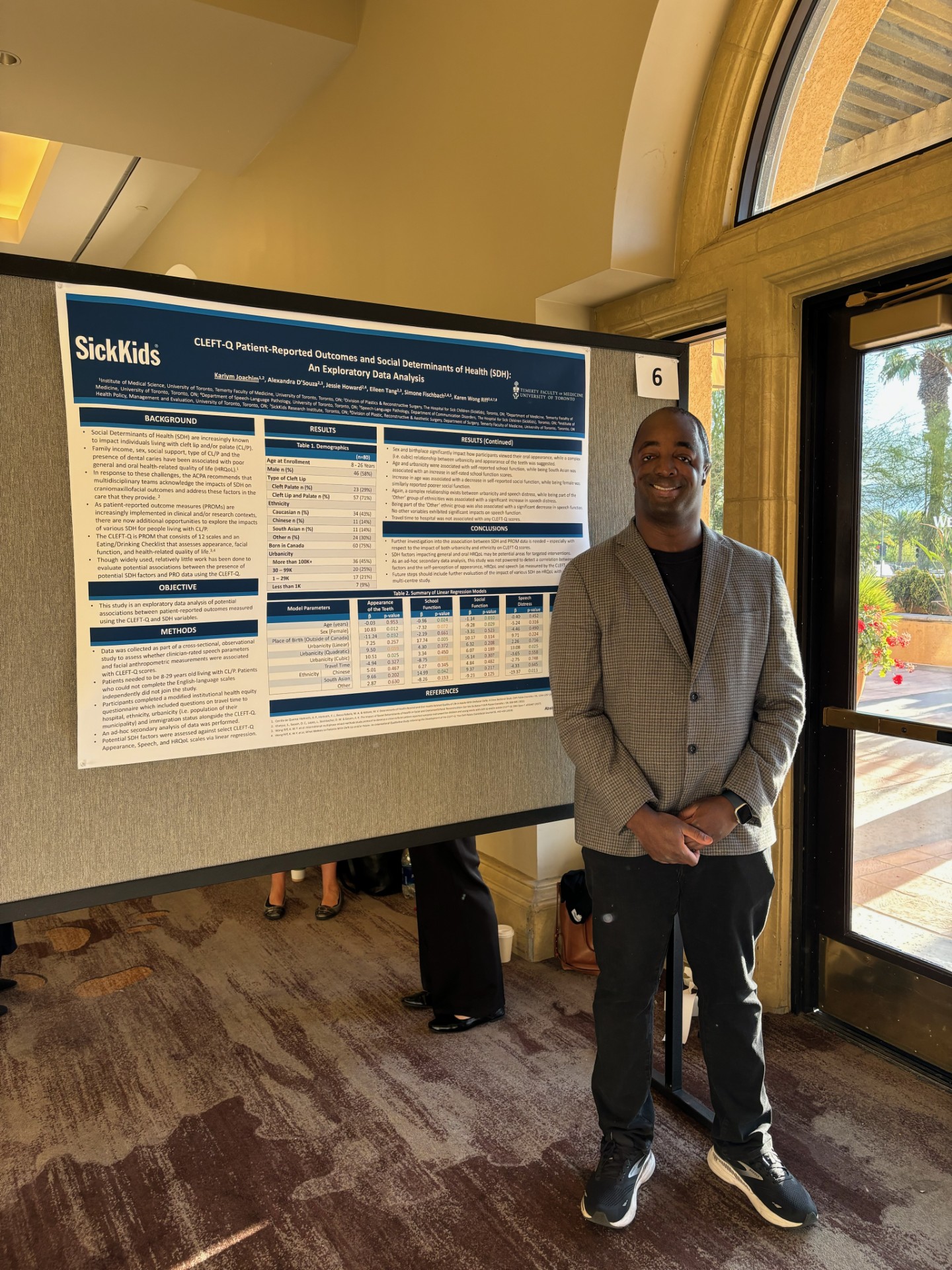
My facial difference also guides much of what I do professionally. As a kid, I always dreamed that I would one day be a scientist or a doctor. While I don’t wear a lab coat or a stethoscope, I am very privileged to be working as a clinical research project manager in the plastics & reconstructive surgery division at SickKids hospital. Though it was a little odd at first to work with the same people who treated me as a kid (imagine calling your surgeon by his first name!), it has been exciting to facilitate research in the craniofacial space. I feel strongly that while there have been great strides on new treatments and surgical procedures for craniofacial conditions, there is still so much more to understand. For example – what is the health-related quality of life for members of the facial difference community? Are the clinical needs of individual facial differences being met throughout the life course? How do we fare when we go out into the world as adults? I want to find out – and I’m so happy to have found that so many researchers and medical professionals with and without facial differences from around the world want to find out too. To that end, while I work full-time as a research manager, I am also working on my PhD in Medical Science, with the hopes of eventually leading more of my own research projects and answering some of these burning questions.
As I often say though, my facial difference is a part of me - it’s an undeniable part of my life that I cannot separate from myself - but it is not all of me. A few little things about me…
I love photography! It’s not uncommon for me to be somewhere one minute, and off somewhere else with my mirrorless camera the next. I love to capture the world around me, whether it is exploring the sunlight through the leaves of a forest, or reflections off of gleaming towers of glass and concrete.
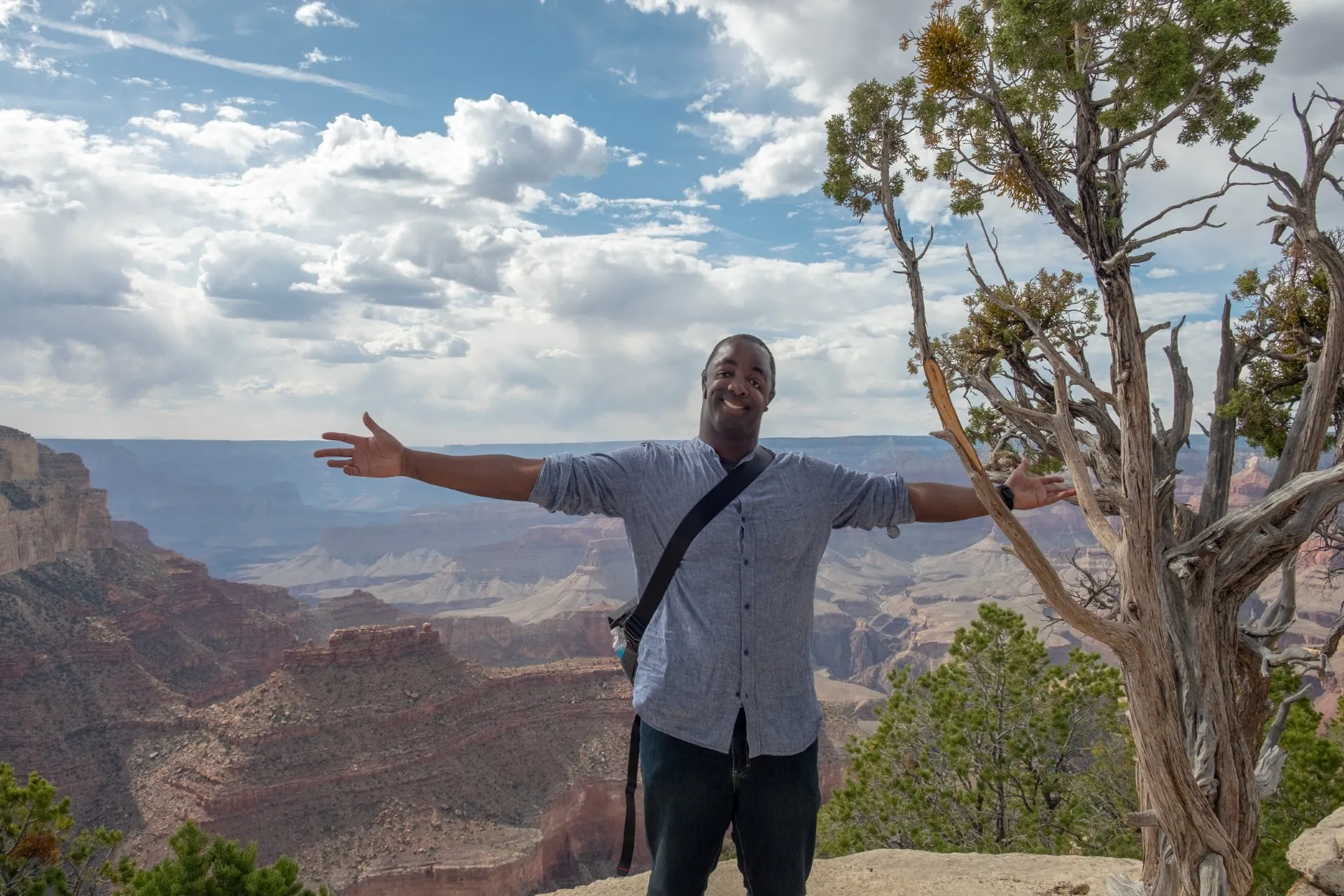
I love to travel! My list of places is relatively small so far, and I’ve never left North America, but the few places I’ve been I’ve just loved seeing! I’ve been to Chicago, Denver, Montréal, Phoenix, Quebec City, San Francisco, Seattle, Winnipeg and more – and loved every minute. I hope to see more of this beautiful blue marble.
I play piano! Not nearly as much as I would like to, but I’ve been playing ever since I was 13 years old. A little bit of classical, a little bit of pop – one of my favourite things to do is to play and learn songs by ear and guitar chords. If there’s a public piano, you might see me sneak up to it and play it. My favourite pianos are the ones that are a little worn, maybe out of tune. Each piano has its own story and character!
Living with a facial difference can be a challenge, regardless of your life stage. I am still incredibly hopeful that for each and every one of us, it is not insurmountable. A facial difference is a part of one’s unique story, and yet, not the entire novel. I refuse to let anyone write my book but myself.